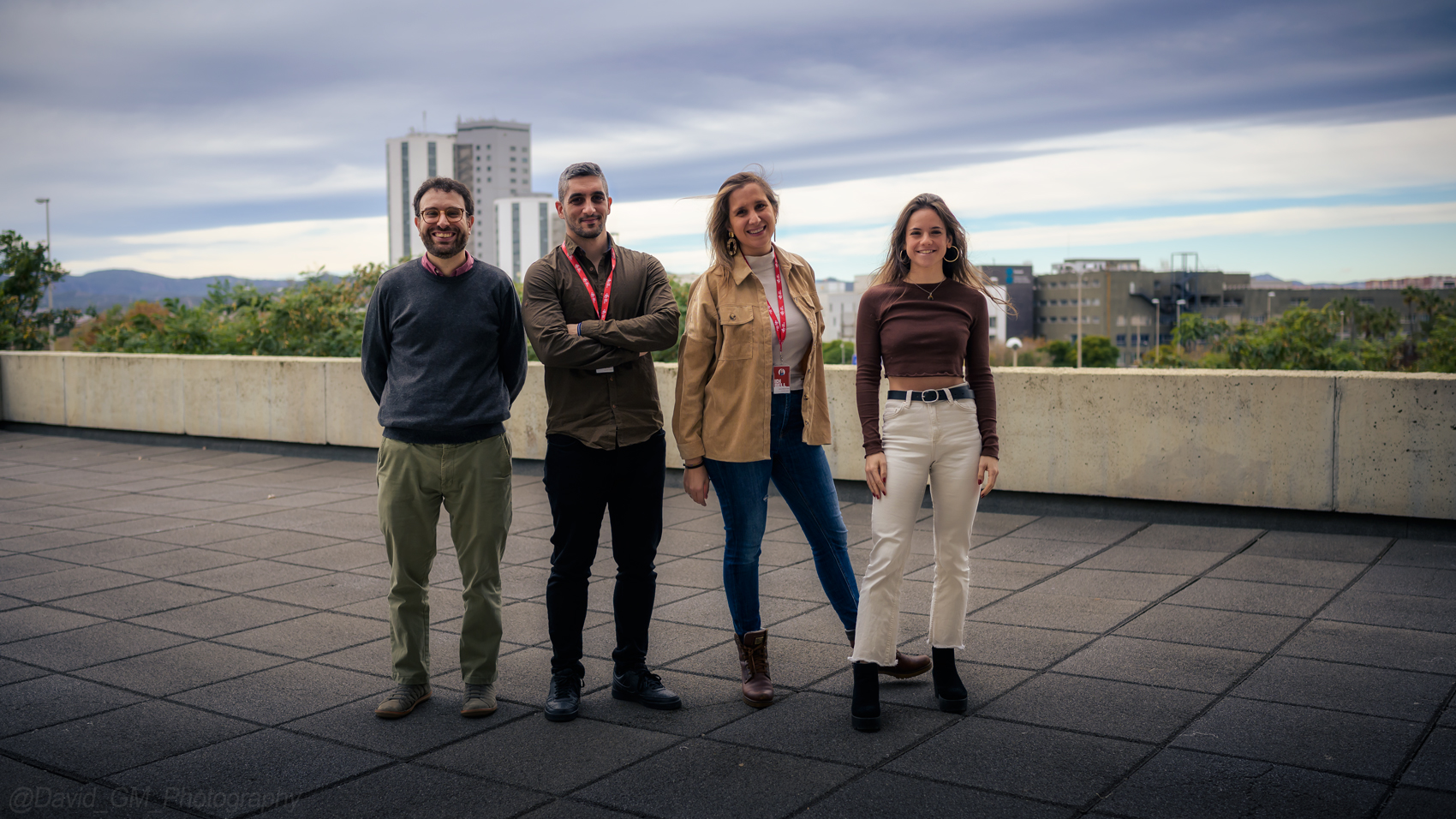
The Medicinal Chemistry & Drug Design group broadly focuses on three main lines of research: developing open science chemical biology resources, harnessing the effects of drugs at the systems level in precision medicine, and exploiting Big Data and AI to discover more efficacious drugs with a particular focus in oncology.
Open Science initiatives in Chemical Biology
As an example of the first line of research, Dr. Antolin serves as Associate Director of Cheminformatics at the Chemical Probes Portal, an international initiative and freely available resource that coordinates expert rating of chemical probes to improve the robustness and reproducibility of biomedical research (Antolin AA, et al. Nucleic Acids Research, 2023). We also collaborate with the public cancer knowledgebase canSAR, and with the Target 2035 initiative, among others.
Systems Pharmacology to better harness current drugs in precision medicine
We are broadly interested in understanding the unexplained effects of drugs to better use our current therapeutic arsenal in precision medicine. For example, we have recently discovered the unexpected biological activity of the metabolite of a cancer drug that could open new avenues for its precise use in prostate cancer while offering unexpected repurposing opportunities in Parkinson’s Disease (Hu H, et al. Cell Chemical Biology, in press). We have also recently used machine learning approaches to better understand how certain drugs produce a side-effect termed phospholipidosis (Hu H, et al. Cell Chemical Biology, S2451-9456, 00322-7). We are particularly interested in the development and use of computational methods to predict the mechanism of action of compounds – their binding to specific protein targets (polypharmacology) – and we have recently started an industrial collaboration to harness high-content microscopy and Deep Learning to predict polypharmacology.
Exploiting Big Data and AI to discover more effective drugs
The final aim of the team is to contribute to the discovery of new drugs for disease of high unmet medical need with a particular focus in oncology. On the one hand, we develop new cheminformatic methodologies centered in the application of machine learning for multi-target drug design. On the other hand, we engage in collaborative drug discovery projects where we try to collaborate closely with industry and clinicians to speed the translation of results. For example, we have recently started coordinating an international collaborative project with the Institute of Cancer Research (UK) and the company VIVAN Therapeutics (UK) that aims at discovering new multi-target KRAS inhibitors that resist resistance.